1. Industrial & Logistics (Repetitive tasks, material handling)
- Tesla Optimus Gen 3 Availability: End 2027 | Target Price: 20-30k$
- Figure 02/03 Availability: 2026 | Price: 100-150k$
- Agility Digit Availability: 2026+ | Price: 150k$+
- Fourier GR-2 Availability: 2026 | Price: 150-170k$
- XPENG Iron Availability: Pending | Price: ~100k$
- Unitree G1 Availability: 2026 | Price: 16,000$ (Ultra Budget) Price: 5,900$
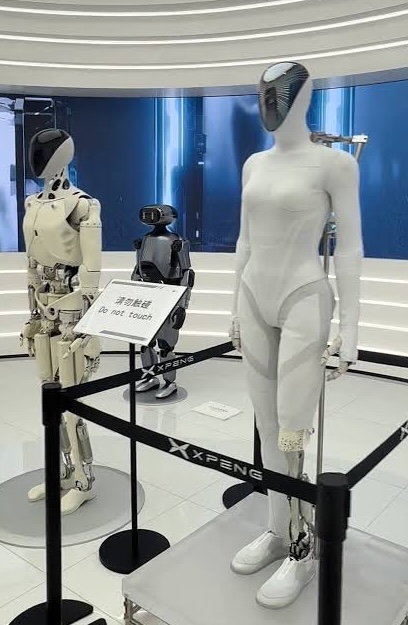
XPENG Iron
🚗 The robot of Chinese car factories While Tesla targets American factories and Figure focuses on BMW, XPENG Iron arrives with a different approach: recycling autonomous driving expertise to create a cost-competitive industrial humanoid. Developed by XPENG (a leader in Chinese electric vehicles), Iron is the result of simple logic: why develop a robot from scratch when you already master mobility AI?
Key figures:
- 1.70 m tall, ~50 kg — standard human proportions
- Factory autonomy — fast charging integrated into production lines
- Onboard AI — based on XPENG's autonomous architecture (Chinese FSD)
- Approximately $100,000 — competitive price for the pro category
- Production 2026+ — official announcement pending
Fourier GR-2 It's the only robot certified for "human cohabitation"
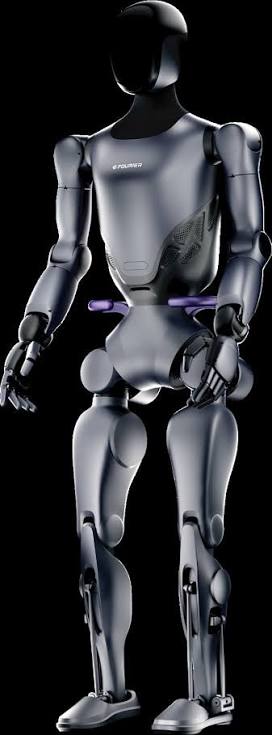
🏥⚙️ The robot that speaks medical AND industrial Here, we break the classic mold. While Tesla builds a factory robot and Boston Dynamics tests pure agility, Fourier Intelligence asked: what if the same robot could reduce a dislocation at 9 AM and assemble parts at 2 PM? Result: GR-2, the only humanoid that truly bridges healthcare and production — with no compromise on either.
Key figures:
- 1.68 m, 55 kg — designed for human spaces (hospitals, factories)
- 50 kg lifting capacity — enough for both heavy hospital AND industrial tasks
- Medical precision — integrated force sensors (risk-free rehabilitation)
- Open platform — add your own modules (grippers, tools)
- $150-170k — premium, but justified by versatility
2. Domestic & Companion (Home assistance, interaction)
- 1X NEO Availability: 2026 (pre-order) | Price: 20k$ (or 499$/month)
- Emo, Eilik
- Alpha Min
- LG CLOiD Deposit $200 — final price undisclosed
LG CLOiD Deposit $200 — final price undisclosed
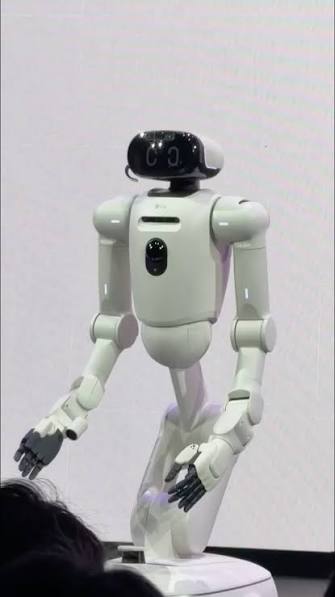
🏡 The robot that dreams of a home without chores While Tesla thinks factory productivity and Boston Dynamics pushes physical limits, LG decided to take a different direction: transform the home into a place where chores simply no longer exist. CLOiD is not a finished product. It's a manifesto. LG presents it at CES 2026 not as a purchasable reality, but as a physical embodiment of its "Zero Labor Home" vision — a home where AI and robots handle everything repetitive, so you can devote your time to what truly matters.
Key figures:
- On wheels (not bipedal) — adjustable torso + autonomous mobile base
- 2 arms + 7 DoF each — human range of motion, highly articulated
- Large 5-fingered motorized hands — deliberately 1950s sci-fi design, but ultra-precise
- Dual AI — VLM (understands images) + VLA (converts to actions)
- Real deployment: CES demos only (2026)
1X NEO
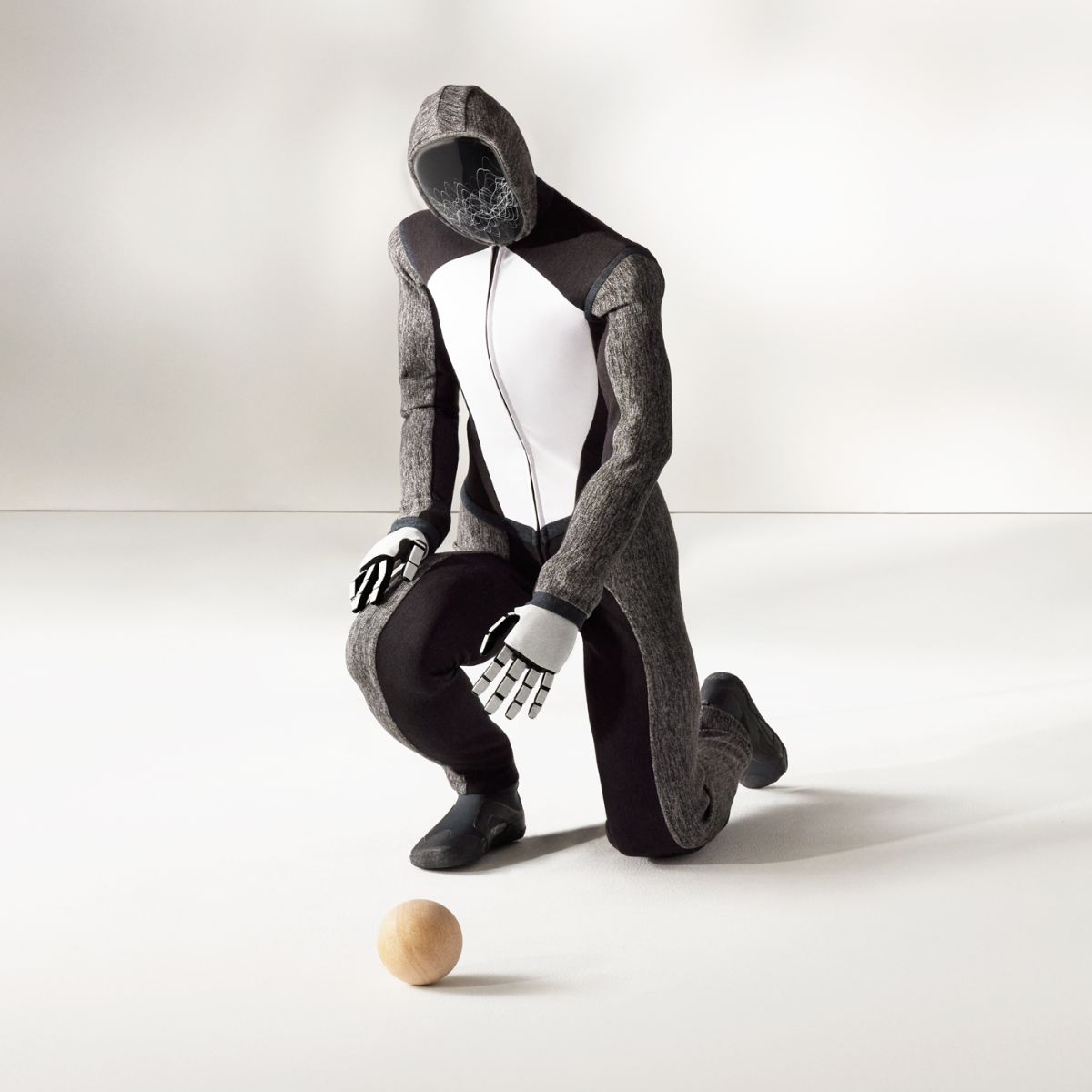
🏡 The first robot to truly enter homes While everyone talks, 1X Technologies acts. While LG demonstrates and Tesla targets 2027, NEO is already being delivered to real customers, in real homes, in 2026. This is a critical difference: NEO is not a showroom prototype, it's not a controlled demonstration. It's a humanoid robot you can order now, arriving this year, and learning directly in your home. Backed by OpenAI, 1X made a different bet: rather than aiming for lab perfection, they launch an "imperfect but real" product — and let customers refine it through interaction.
Key figures:
- 1.65 m, ~50 kg — human proportions, less imposing than competitors
- 8-hour battery life — best in class
- Native voice interaction — OpenAI partnership = Grok-like capability
- Interactive learning — the robot learns from you, not just pre-trained data
- Initial market: Early adopters USA/EU (gradually)
3. Research & Education (Motor complexity, learning)
- Unitree H1, G1 Availability: 2026 | Price: 16,000$
- NAO
- Poppy
- Boston Dynamics Atlas Availability: 2026+ | Price: 150-250k$
Boston Dynamics €140,000
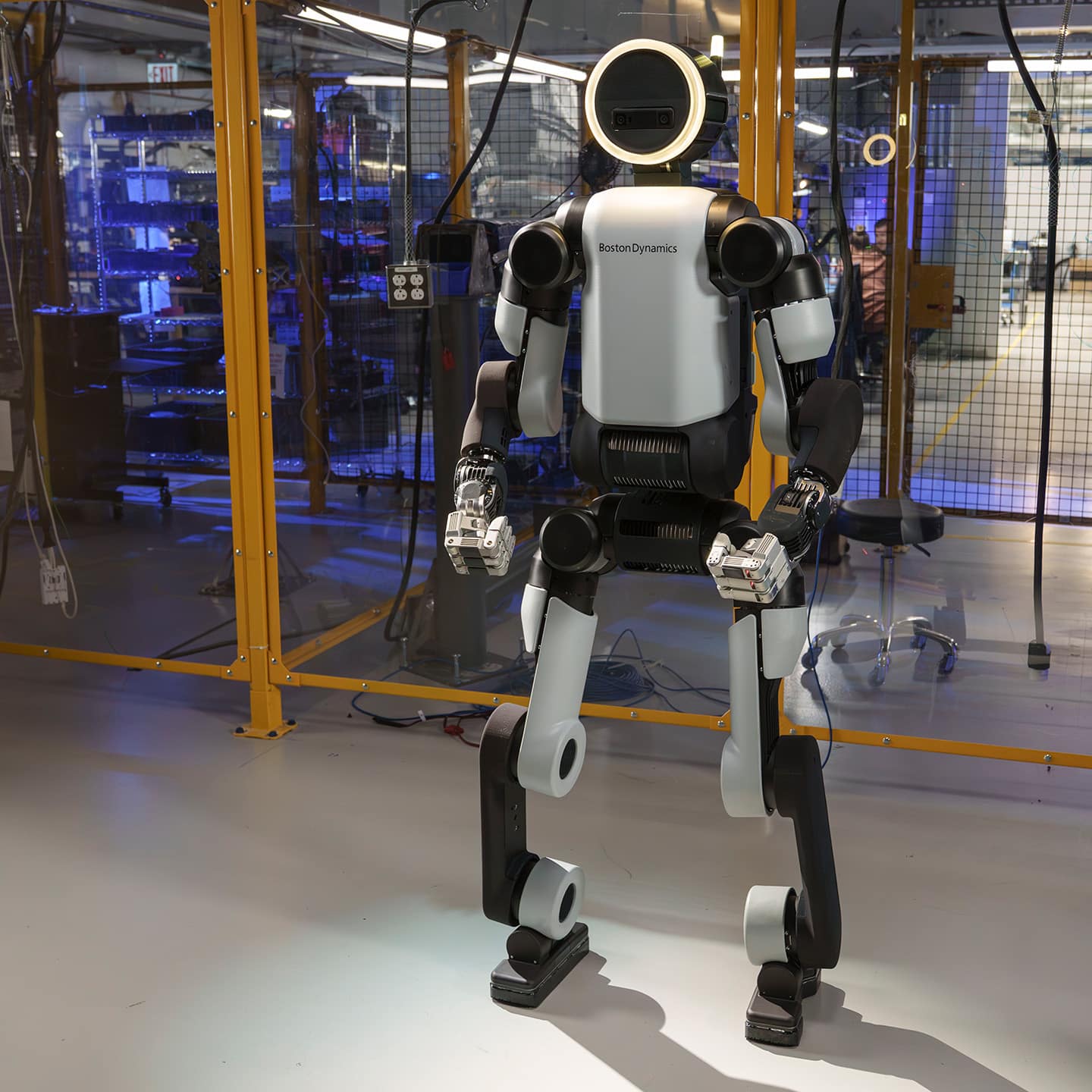
🤸 The robot that defies physics If Tesla builds a worker robot and Fourier creates a medical assistant, Boston Dynamics remains robotics' enfant terrible: the one that doesn't ask "how to be useful" but "how far can we go?" Atlas has 30 years of DARPA (US defense agency) DNA behind it. And it shows: it's the only humanoid that can jump, catch itself when losing balance, or navigate a 15° slope without special safety protocols.
Key figures:
- 1.73 m, 80 kg — the heaviest in its class (fully electric)
- 56 degrees of freedom — more articulated than any competitor
- 50 kg lifting capacity — the true heavy-lifting champion
- Auto battery swapping — recharges itself
- $250k minimum — ultra-premium, no official price tag
Unitree H1
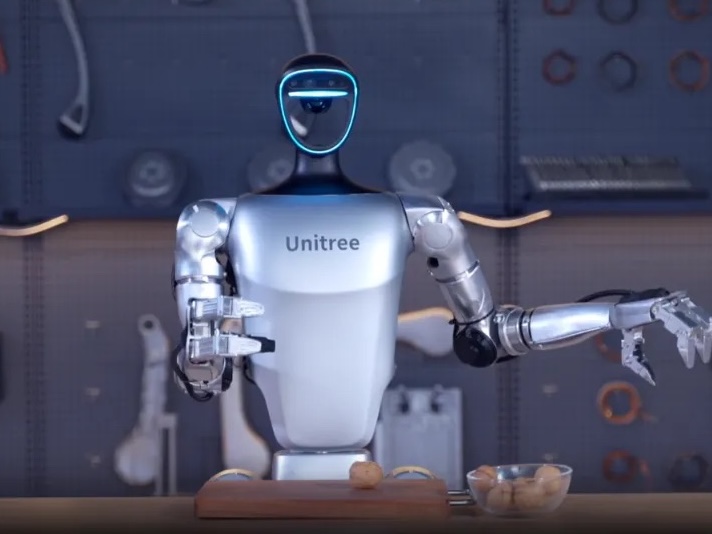
🚀 The fastest-running robot — and it refuses to stop While robotics giants build useful robots, Unitree took a different direction: build the fastest robot. And not just a little fast — world record in the market. The H1 is the masterstroke of a Chinese company that decided to dominate through raw performance rather than flashy marketing. Unlike Boston Dynamics (which impresses with flips) or Tesla (which targets mass production), Unitree says: if you want a humanoid robot, it's going to run at 3.3 m/s, and it's never going to slow down.
Key figures:
- 1.80 m, 47 kg — standard adult proportions
- Record speed 3.3 m/s — faster than any commercial humanoid (Atlas, Optimus, Figure)
- Fully open SDK — write your own control, deploy on Jetson Orin
- Profitable — Unitree reports ~60% margin, IPO planned mid-2026 (only profitable humanoid company)
- Very niche market — no proven industrial use yet, just "possible"
4. Medical & Rehabilitation (Healthcare, assistance)
- Fourier GR-2 Price $150-170k — premium justified by dual certification
- Andromeda Robotic $25,000 $25,000
- Wandercraft
Fourier GR-2
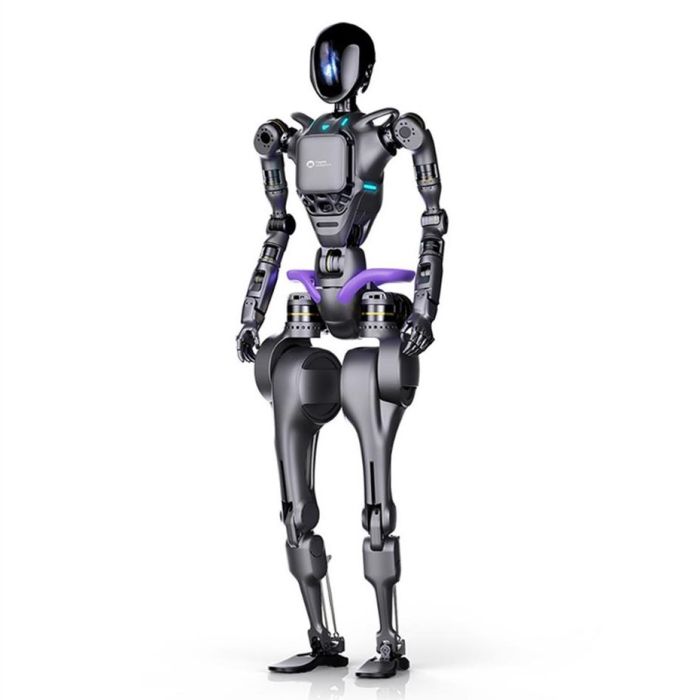
🏥⚙️ The robot that refuses to choose between saving lives and producing parts Here's the problem with robotics in 2026: every robot has to choose. Tesla chooses factory. Boston Dynamics chooses lab. LG chooses home. Figure chooses heavy industry. Fourier Intelligence refused to choose. GR-2 is developed by a company that, for 10 years, focused on a single field: precision medical robotics. Then they asked: "What if the same robot that helps a patient in rehabilitation could also assemble a medical prosthesis?"
Key figures:
- 1.68 m, 55 kg — full human size
- 50 kg lifting capacity — among the most powerful on the market
- Integrated force sensors — medical-grade sensitivity (patient feels no discomfort)
- Calibrated precision — 95%+ accuracy for healthcare tasks
- Open platform — add your own modules/grippers
Andromeda Robotics
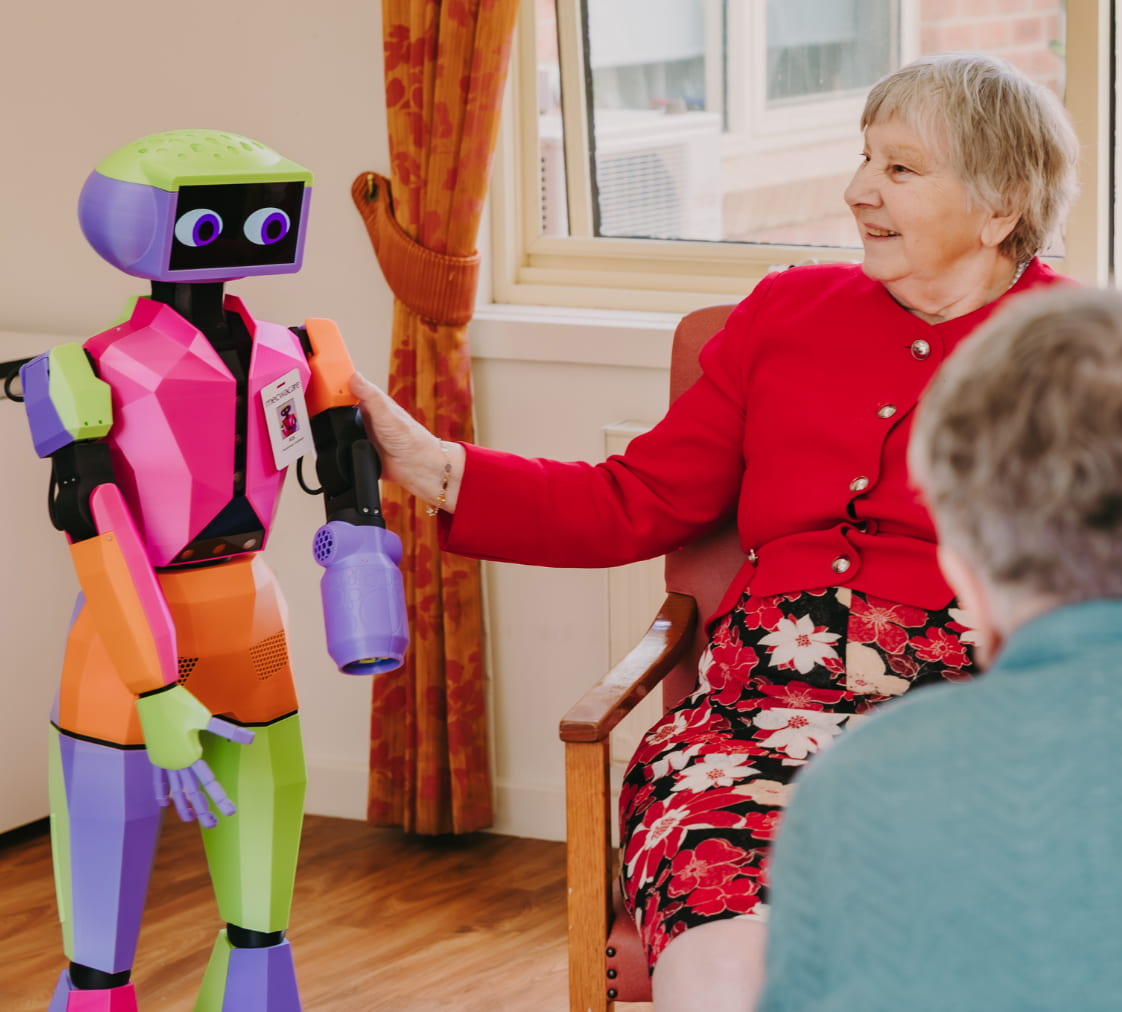
🏥❤️ The robot that refuses to lift things — because its real job is to remember Wait — I need to correct something. Andromeda is not a physical assistance robot like Fourier. Abi is radically different: it's a small companion robot (1.10-1.20 m) designed specifically to combat loneliness in elderly people. Founded in 2022 by Grace Brown (mechanical engineer) in Melbourne, Andromeda asked a simple but critical question: What if we solved the senior isolation crisis not with more nurses, but with a companion who remembers them? Abi is not going to do housework. Abi is going to talk to your grandmother for 3 hours straight without complaining. And that's genius. GR-2 is developed by a company that, for 10 years, focused on a single field: precision medical robotics. Then they asked: "What if the same robot that helps a patient in rehabilitation could also assemble a medical prosthesis?"
Key figures:
- 1.10-1.20 m — intentionally small so as not to frighten
- $25,000 — accessible for nursing homes (compared to $150k+ for industry)
- Persistent memory — remembers conversations for MONTHS, personalizes interactions
- Emotional recognition — detects sentiment in voice, adapts responses
- Empathetic design — small size + facial expressions = no uncanny valley
5. Social & Telepresence (Interaction, presence)
- Toyota T-HR3
- OriHime-D
- Pepper
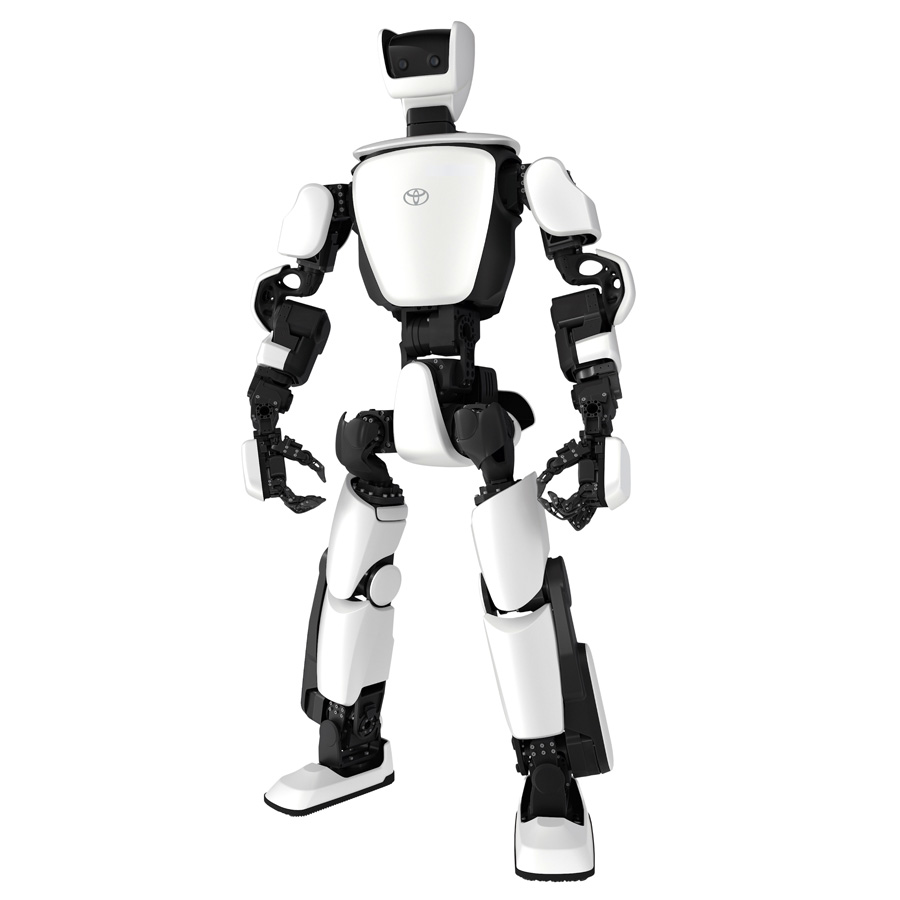
Toyota T-HR3
👥 The robot you control like an intelligent puppet — from the other side of the world Wait — another important correction. T-HR3 is not an autonomous robot. It's something radically different: a telepresence and teleoperation robot. Imagine you're a surgeon in Tokyo and you need to operate on a patient 1000 km away. Or a firefighter in a disaster zone too dangerous to enter. Or a space technician who needs to repair an orbital station. The T-HR3 is YOU controlling it — in real time, as if your body were there. Toyota asked a different question from everyone else: What if the real robot of the future isn't the one that thinks for itself, but the one that perfectly extends my hands remotely?
Key figures:
- 1.50 m, 75 kg — full adult proportions
- 5-fingered motorized hands — total sensitivity (can pick up a coin)
- Force feedback — you FEEL what the robot feels (if an obstacle resists, you feel it in your hands)
- 5G control — tested at 10 km distance (2018), ultra-low latency
- Intuitive control — your movements = robot movements, no learning curve
Pepper
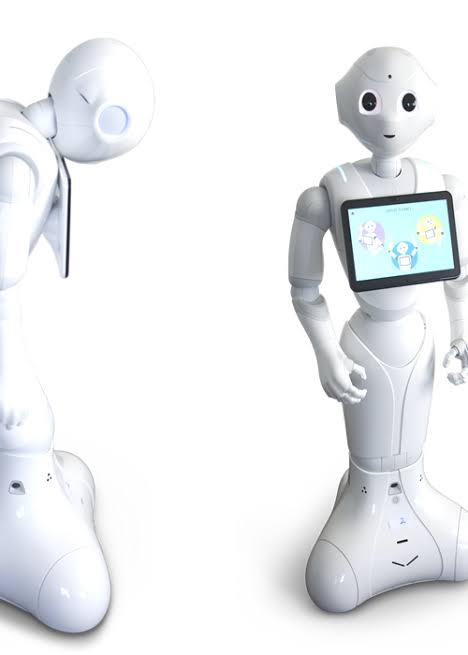
🤖❌ The robot we thought was eternal — but almost disappeared Wait — this one is the story of a robot everyone knows, but very few know almost died. Pepper was launched in 2014 by SoftBank as the vision of the future: a friendly little white robot, with expressive eyes, a tablet on its chest, and the ability to recognize your emotions. There was massive hype. The first 1,000 units sold in one minute. For 10 years, Pepper was deployed in 2,000+ stores, hospitals, airports, and train stations around the world. 27,000 units sold. The Guinness World Record for the most commercially produced humanoid robot. Pepper was the promise that seemed immortal. Then... nothing. Production stopped in 2020/2021. French manufacturer Aldebaran filed for bankruptcy in February 2025. Assets were bought by a Chinese company (Maxvision) in July 2025. SoftBank laid off 165 employees. The commercial dream died. Except... in February 2026, Maxvision announced Pepper+ with advanced AI. The zombie robot returns.
Key figures:
- 1.21 m, 28 kg — small, non-threatening, "kawaii"
- 10.1" tablet on chest — point-of-contact interface
- Emotion recognition — reads joy/sadness/anger on face/voice
- 8h battery life — long-lasting
- Proven deployment — 10 years of retail/hospital data, not a gamble
6. Specialized (Niches, defense)
- Apptronik Apollo €80,000
- CETC, Heliosk
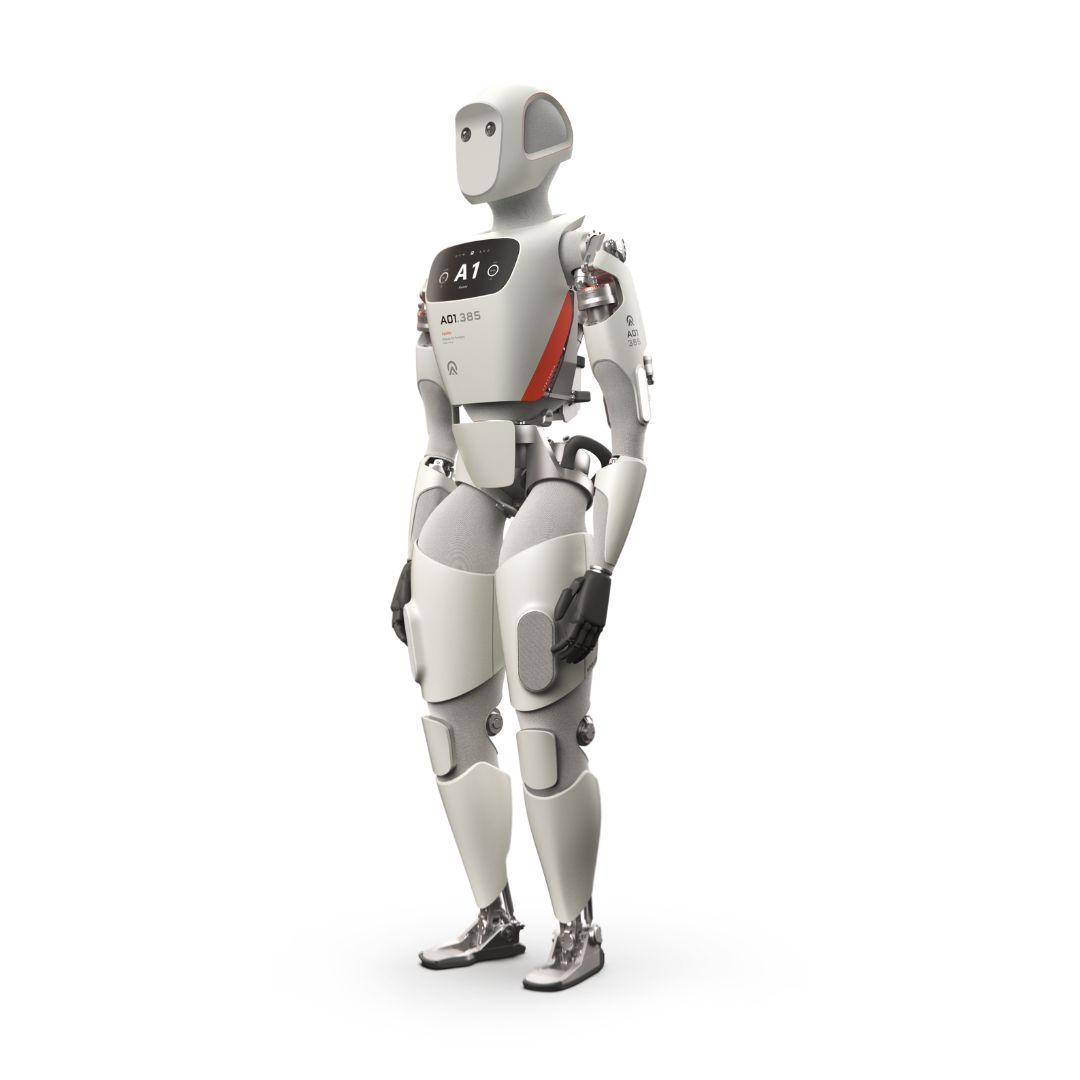
Apptronik Apollo
🏭 The robot that chooses the factory over media glory Here we have a rare case in 2026: a humanoid robot already actually working, in real factories, alongside real people — without viral video, without investor shows, without marketing-scented demos. Apptronik made a different bet: instead of targeting "the first robot for everything," they said "we're making the best robot for one thing: moving heavy stuff in factories and warehouses." Founded by researchers from NASA's Valkyrie project (space robot), Apptronik understood that before dreaming of robots in the living room, we first needed to solve the problem of the 500,000 worker shortage in US logistics in 2026.
Key figures:
- 1.73 m, 73 kg — standard proportions, not "compact toy"
- Hot-swappable battery — change battery in 30 sec, keep working
- Force feedback sensors — senses objects, adapts grip automatically
- Intelligent walking — flat terrain OK, stairs no (design choice)
- Real deployments: Mercedes factories (assembly), GXO Logistics (picking)
Apptronik Apollo - info coming soon
Ready to transform your business?
Let's talk about your project. No commitment required.
Schedule a consultation